Materials
24 June 2026
4 min read
Understanding leather quality
Full-grain, top-grain, genuine — the words on the label matter more than the price tag.
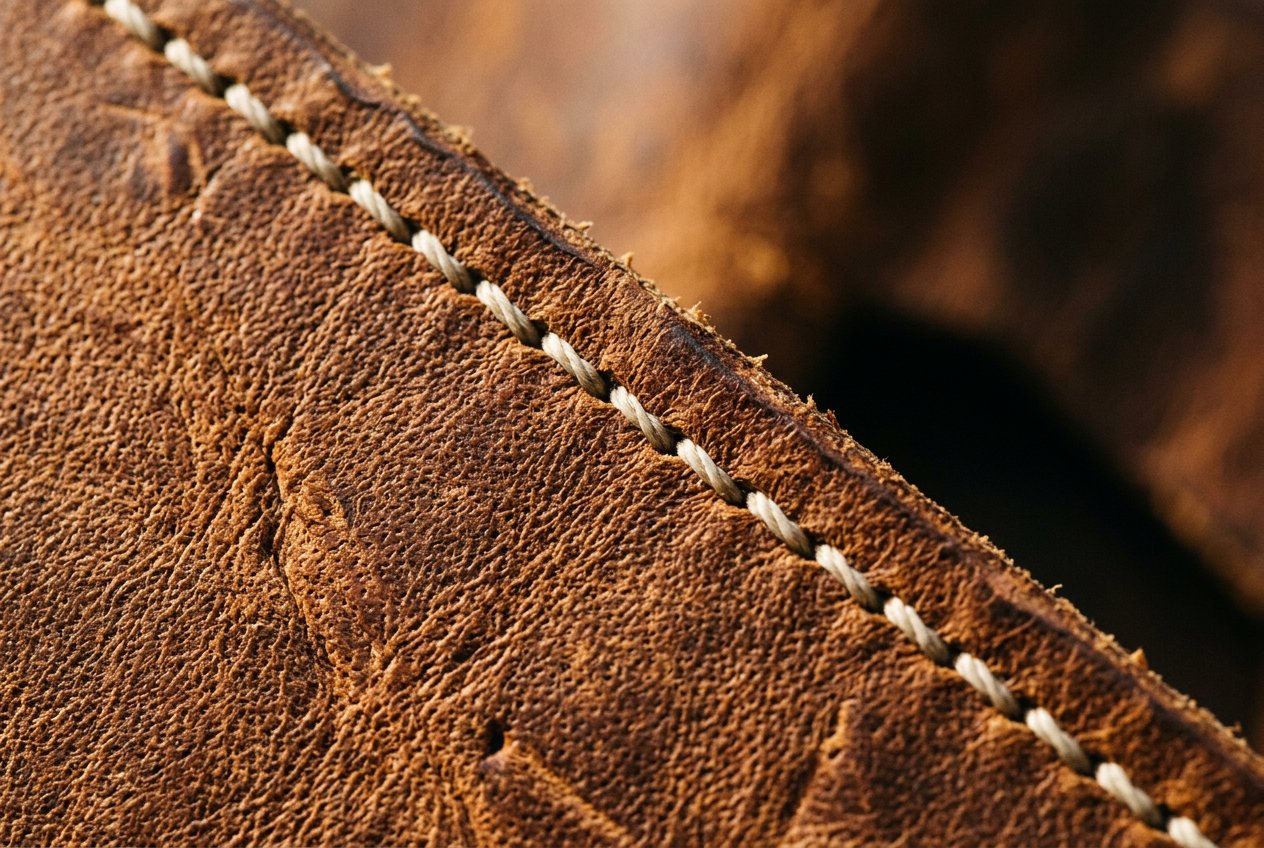
Not all leather is the same, and the difference isn't always visible at arm's length. It shows up in year two, when a good hide has darkened beautifully and a cheap one has cracked and peeled.
Full-grain
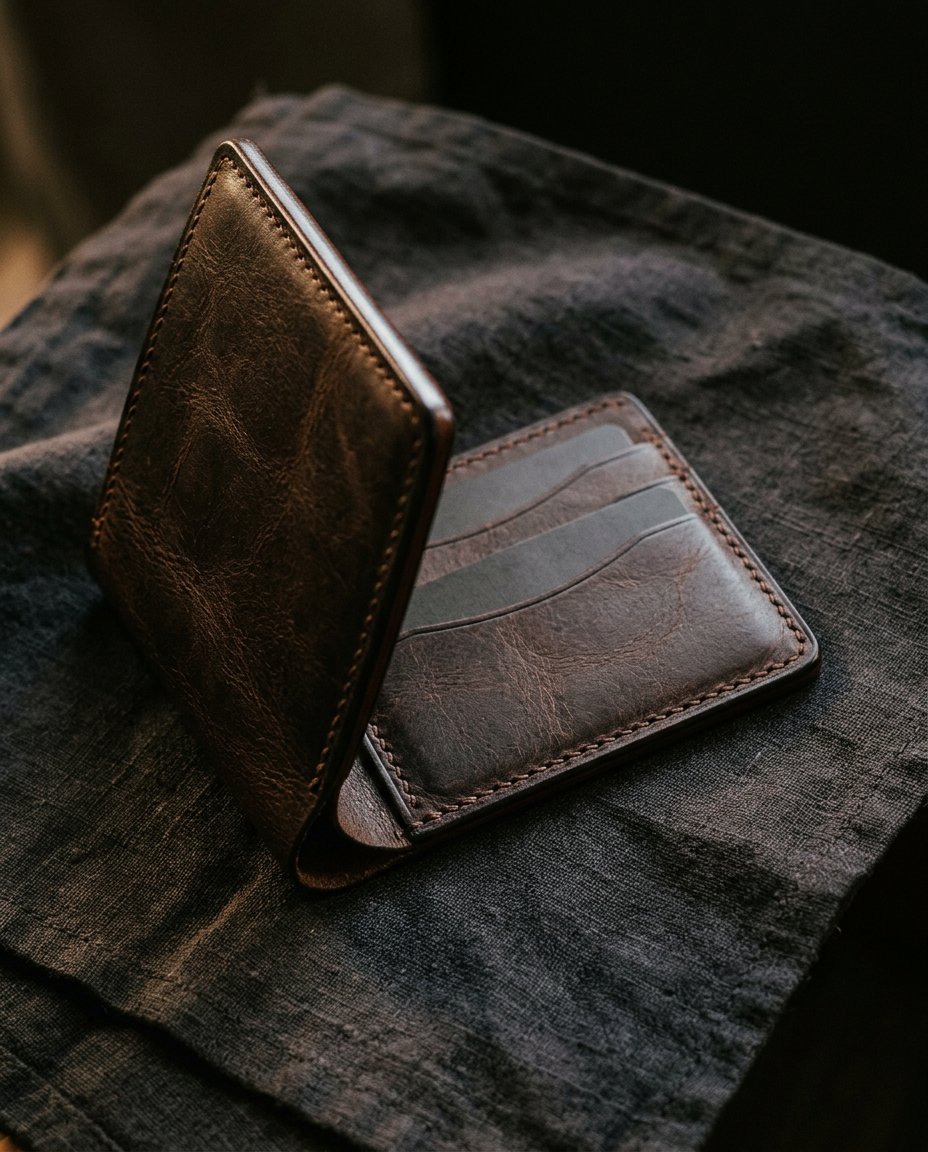
The top layer of the hide, left intact with its natural grain. It keeps its pores, absorbs oils, and develops patina. It's the strongest and most characterful — and the least uniform, because real hide is never perfectly even.
Top-grain
The top layer with the very surface sanded away to remove marks, then finished with a coating. More uniform, slightly less durable, and it doesn't patina the same way.
Genuine leather
A catch-all term for lower layers of the hide, bonded and pressed. It's real leather, technically — but it's not the leather you want in something you'll carry for a decade.
We use full-grain, vegetable-tanned cowhide. We say so plainly, because the material is the product.