Materials
21 July 2026
4 min read
Leather ageing and patina
Patina isn't damage. It's the record of a piece that has actually been lived with.
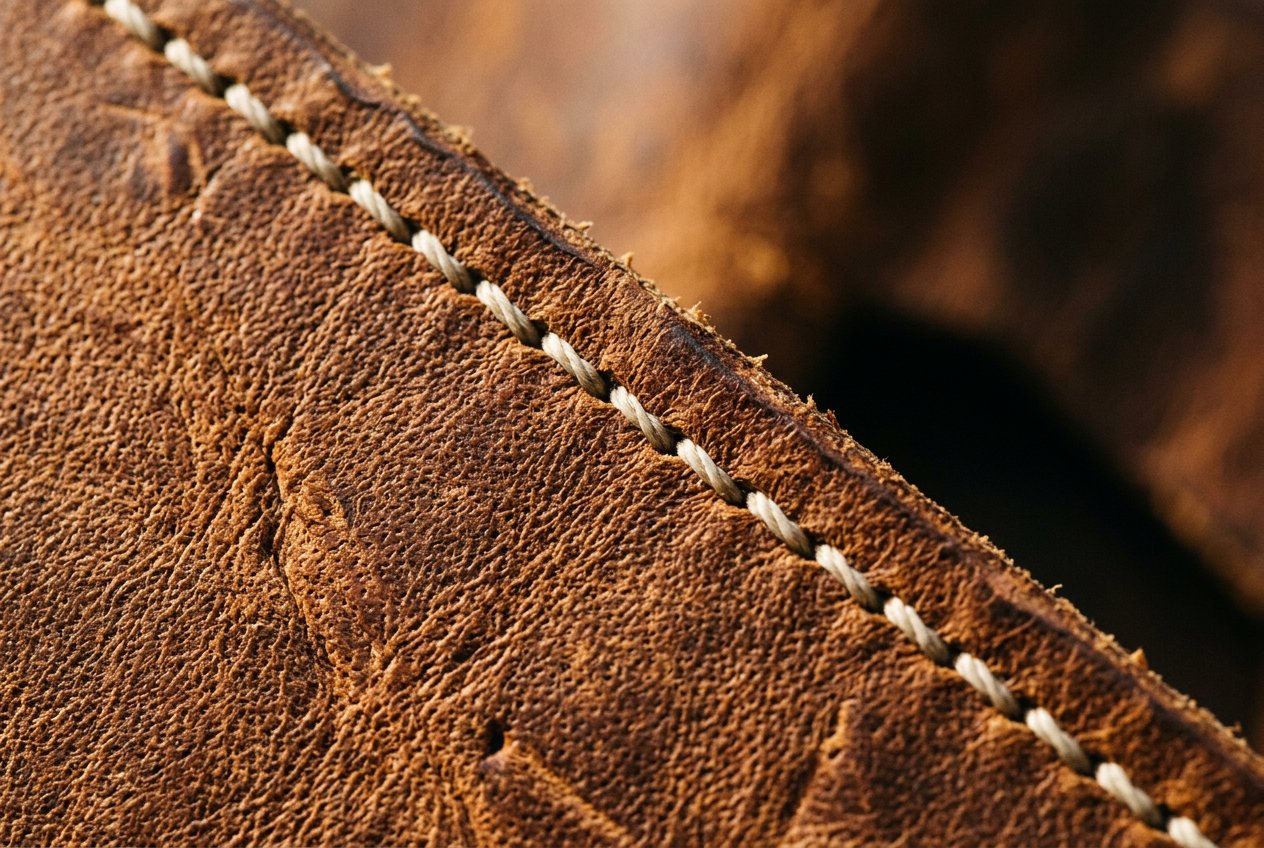
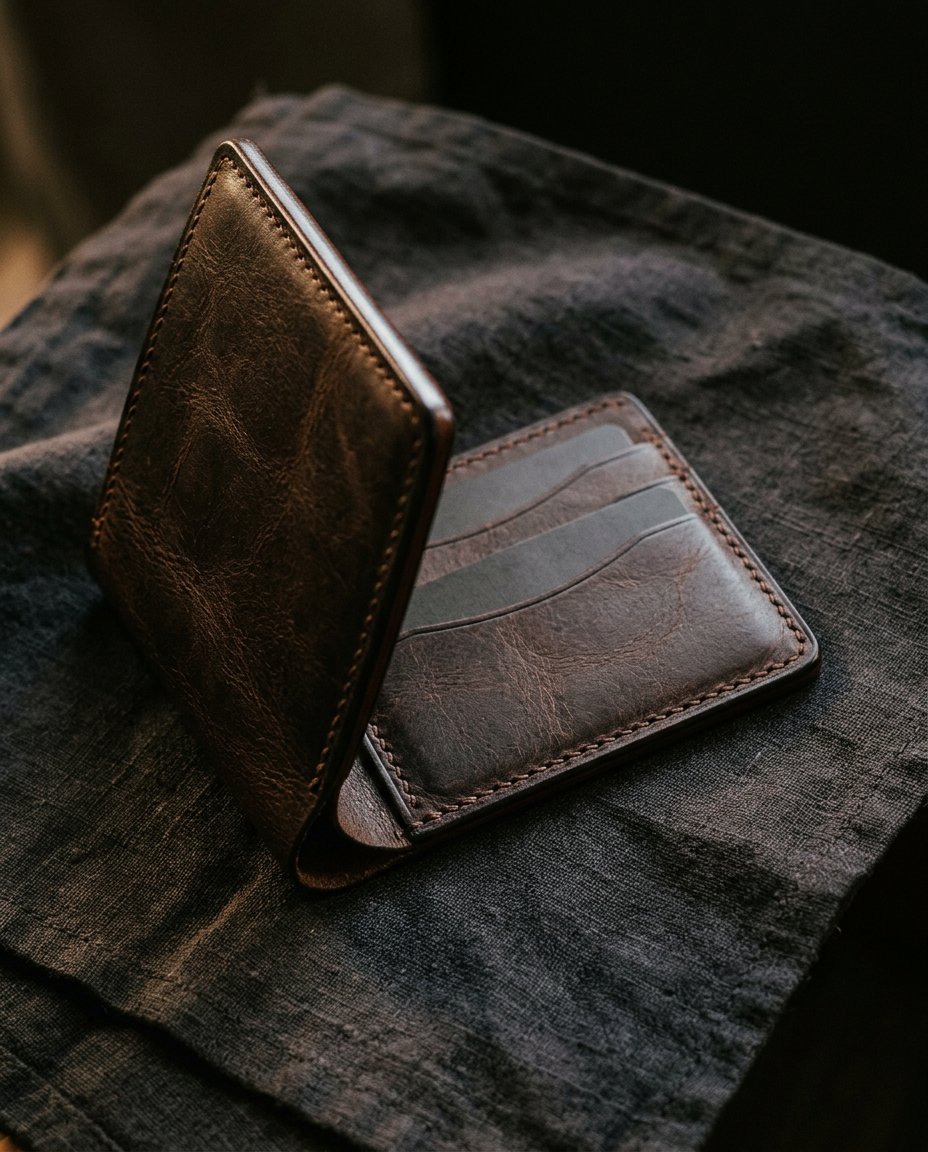
Most materials get worse with use. Leather is the rare exception: light, oils from your hands, and simple friction slowly darken the surface into a deep, warm gloss that no factory can replicate. That surface is called patina.
Why it happens
Vegetable-tanned leather is dyed through but finished without a heavy synthetic coating. Oils and handling sink into the top grain and gradually deepen it. The result is uneven in the best way — darker where your hand rests, lighter in the creases.
How to help it along (or slow it down)
Regular handling speeds patina up naturally. A light conditioning twice a year keeps the leather supple so it ages evenly instead of cracking. If you'd rather keep the original colour longer, condition sparingly and keep the piece out of bright sun.
A scuff is a story. A crack is a warning. Learn to tell them apart.